It usually doesn’t happen all at once. You turn your AC on during one of Utah’s warmer afternoons, expecting that familiar cool air, but something feels off. Maybe the air is slightly warm, or maybe it takes longer than usual to cool the house.
At first, it’s easy to ignore. But in Utah, where spring can turn into summer heat almost overnight, a small cooling issue can quickly turn into a full breakdown.
If your AC is not cooling in Utah, it’s rarely something that fixes itself. In most cases, it’s your system giving you an early warning sign. The key is catching the issue before it becomes a costly repair or complete system failure.
The Most Common Reason: Restricted Airflow
One of the biggest reasons homeowners experience cooling issues is airflow restriction. Your AC system depends on consistent airflow to move cool air throughout your home. When that airflow is blocked, everything starts to break down.
A clogged air filter is often the first place to look. Utah’s dry air, dust, and seasonal debris can clog filters faster than expected. When that happens, your system struggles to circulate air, which reduces cooling performance and puts strain on internal components.
In many cases, simply replacing the filter restores some cooling. But if the issue has gone on too long, it may have already caused deeper problems inside the system.
Low Refrigerant Levels and Hidden Leaks
If your AC is running but not cooling, low refrigerant is another likely cause. Refrigerant is what actually removes heat from your home. When levels drop, your system can’t cool properly.
Unlike fuel, refrigerant doesn’t get “used up.” If it’s low, there’s usually a leak somewhere in the system.
Signs of this include:
- Warm air coming from vents
- Ice buildup on refrigerant lines
- Longer cooling cycles
- Higher energy bills
This is not a DIY fix. Refrigerant issues require professional diagnostics and repair. If you’re noticing these symptoms, it’s time to schedule a AC repair before the problem gets worse.
👉 For a deeper understanding of how refrigerant impacts performance, refer to U.S. Department of Energy guidelines on air conditioning systems:
https://www.energy.gov/energysaver/central-air-conditioning
Your Outdoor Unit Might Be the Problem
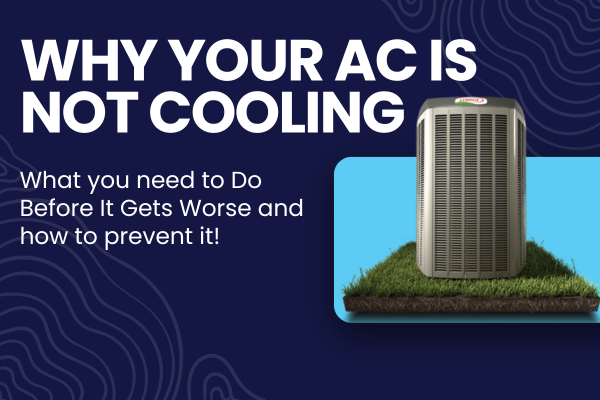
Utah homes deal with a lot of dust, pollen, and debris, especially in spring. Your outdoor condenser unit is exposed to all of it.
When dirt builds up on the coils, your system can’t release heat effectively. That causes your AC to run longer while producing less cooling.
You might notice:
- The unit running constantly
- Weak airflow indoors
- Warm air despite the system running
Keeping the outdoor unit clean helps, but if buildup has been there for a while, a professional cleaning may be needed as part of a full AC maintenance service.
Electrical or Component Failures
Sometimes the issue is more technical. Capacitors, contactors, or motors can start to fail, especially as your system comes out of winter inactivity.
These components control how your AC starts and runs. When they weaken, the system may:
- Turn on but not cool
- Shut off unexpectedly
- Struggle to maintain temperature
These issues are common early in the season when systems are first being used again. Catching them early prevents more expensive failures later.
Thermostat Issues That Mimic Bigger Problems
Not every cooling issue is actually your AC unit. Sometimes the thermostat is sending incorrect signals.
If your thermostat is:
- Misreading the temperature
- Poorly calibrated
- Located in direct sunlight
…it can cause your system to run inefficiently or not cool at all.
Upgrading or recalibrating your thermostat can restore proper operation and improve overall efficiency.
Ductwork Problems and Uneven Cooling
If your AC seems to cool some rooms but not others, your ductwork may be the issue. Leaks, blockages, or poor design can prevent cool air from reaching certain areas of your home.
This is especially common in:
- Older Utah homes
- Finished basements
- Home additions
Addressing duct issues can significantly improve comfort and reduce system strain.
Why Utah’s Climate Makes This Worse
Utah’s climate adds another layer to AC issues. The dry air, dust, and rapid temperature swings all contribute to system stress.
When temperatures suddenly jump, your AC is forced to work harder than it has all year. Any small issue that went unnoticed in spring becomes obvious very quickly.
👉 The Environmental Protection Agency highlights how system efficiency drops when maintenance is neglected:
https://www.epa.gov/indoor-air-quality-iaq
When You Should Call for AC Repair
If your system is still not cooling after basic checks, it’s time to bring in a professional.
You should schedule service if:
- Air is consistently warm
- The system runs nonstop
- Ice is forming on components
- Energy bills suddenly increase
- Cooling performance continues to drop
At this point, delaying service usually leads to higher repair costs.
Working with a professional for **AC installation or repair ensures the issue is diagnosed correctly and fixed the right way the first time.
How to Prevent This from Happening Again
Most AC issues are preventable with routine maintenance. A seasonal tune-up ensures your system is clean, efficient, and ready for warmer weather.
Regular service helps:
- Catch small problems early
- Improve airflow and cooling
- Reduce energy usage
- Extend system lifespan
This is especially important in Utah, where systems go from inactive to heavy use very quickly.
Key Takeaways
If your AC is not cooling in Utah, the issue is usually tied to airflow, refrigerant, or system wear.
Christensen Air Solutions provides professional AC diagnostics, maintenance, and repairs designed specifically for Utah homes and climate conditions.
👉 Schedule your AC service today and stay ahead of the summer heat.