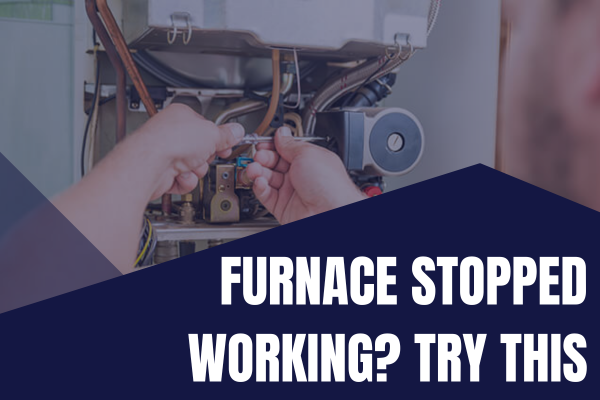
It’s the middle of a Utah winter night. Snow is falling, the temperature outside is in the teens, and suddenly—your furnace stops working. You try the thermostat, check the vents, even flip the breaker, but nothing happens.
When your furnace fails during Utah’s coldest months, it’s more than an inconvenience—it can quickly become a safety issue. Knowing what steps to take before and during an emergency can save time, money, and a lot of stress.
In this guide, we’ll walk you through what to do when your heat stops working, how to troubleshoot basic problems safely, and when to call for emergency furnace repair in Utah.
1. Check the Thermostat First
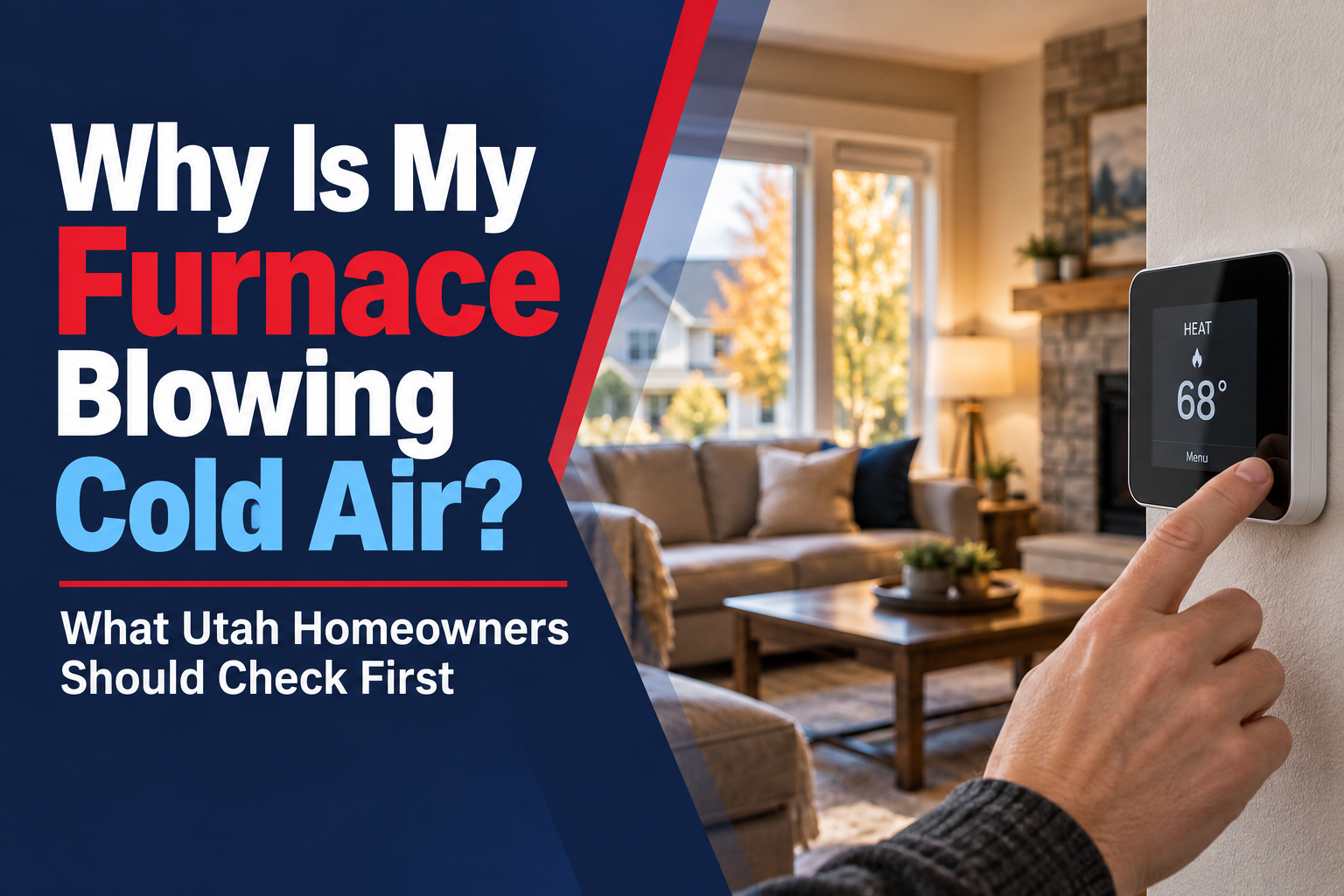
This might sound simple, but many emergency calls start with thermostat issues. Before assuming your furnace has failed, make sure the thermostat:
- Is set to “heat” (not fan or cool mode).
- Has fresh batteries, if battery-powered.
- Is set a few degrees above room temperature to trigger the system.
If your thermostat screen is blank or unresponsive, that could be the source of the problem. Replacing the batteries or resetting the thermostat can sometimes restore heat immediately.
2. Make Sure the Furnace Has Power
It’s easy to forget that furnaces rely on both gas and electricity. Check your home’s breaker panel to ensure the furnace switch hasn’t tripped. If it has, reset it once—but if it trips again, do not keep resetting it. That indicates a deeper electrical issue that needs professional attention.
Also, verify that your furnace’s power switch (often located nearby) hasn’t been accidentally flipped off.
3. Inspect the Air Filter
A clogged air filter can cause your furnace to overheat and shut down as a safety precaution. Utah’s dry, dusty climate makes this a common problem.
If your filter looks gray, dirty, or covered in debris, replace it with a clean one. Most furnaces use disposable filters that can be swapped out in seconds. Once replaced, give the system a few minutes to reset and see if it turns back on.
4. Check for Gas Supply or Pilot Light Issues
For natural gas furnaces, ensure the gas valve is open. If your system uses a pilot light, check whether it’s lit. If not, follow your manufacturer’s directions to relight it safely.
If you smell gas or notice a strong odor, turn off the furnace immediately, leave your home, and call your gas company or 911. Gas leaks are serious and require professional emergency response.
5. Listen for Unusual Noises or Smells
Furnaces often give warning signs before completely shutting down. You may hear grinding, banging, or squealing noises or notice a burning smell. These symptoms can indicate motor failure, electrical problems, or overheating.
If you notice any of these, shut off the system and call a professional immediately. Continuing to run the furnace can worsen the damage—or create safety hazards.
6. Know When to Call for Emergency Furnace Repair
If you’ve checked the basics and the furnace still isn’t working, it’s time to bring in the professionals.
You should call for emergency furnace repair in Utah if:
- Your home’s temperature is dropping below 60°F and still falling.
- You smell gas, burning plastic, or electrical odors.
- You hear loud or unusual noises from the unit.
- The furnace cycles on and off rapidly without producing heat.
Professional technicians have diagnostic tools to identify the issue quickly and restore your system safely.
👉 Learn more from Energy.gov on furnace troubleshooting.
7. Temporary Ways to Stay Warm Until Help Arrive
If you’ve already called for service and the technician is on the way, there are a few things you can do to stay safe and comfortable:
- Close blinds and curtains to retain heat.
- Use electric space heaters in occupied rooms (keep away from flammable items).
- Layer up with blankets and warm clothing.
- Close doors to unused rooms to conserve warmth.
Never use your oven, gas stove, or grill to heat your home—these can produce dangerous levels of carbon monoxide.
8. How to Prevent Furnace Emergencies in the Future
Most emergency breakdowns happen because of neglect or skipped maintenance. By scheduling annual inspections, you can catch small problems before they become full-blown failures.
Regular furnace maintenance in Utah helps:
- Extend system lifespan.
- Reduce repair costs.
- Improve heating efficiency.
- Keep indoor air clean and safe.
Routine service every fall ensures your system is ready before Utah’s harsh winter months.
👉 Learn about annual furnace inspection benefits at Christensen Air Solutions – Furnace Maintenance Utah.
9. Preparing for Emergencies Before They Happen
Consider keeping an emergency furnace checklist handy:
- Christensen Air Solutions’ phone number
- Extra furnace filters
- Backup batteries for the thermostat
- Contact information for your gas and power companies
A little preparation today can save you from panic tomorrow.
Key Takeaways
- Always check the thermostat, power, and filter first.
- If you smell gas or burning, turn off the furnace immediately and evacuate.
- Call for emergency furnace repair in Utah when the heat stops working.
- Stay warm safely while waiting for help—never use ovens or grills for heat.
- Prevent emergencies with regular furnace inspections each fall.
When your furnace stops working in the middle of a Utah winter, time matters. Don’t risk your comfort or safety by waiting it out.
At Christensen Air Solutions, we provide reliable emergency furnace repair in Utah, 24/7. Our certified technicians can quickly diagnose and restore heat to your home—day or night.
Stay safe, stay warm, and stay ready.
👉 Call Christensen Air Solutions now or schedule emergency service online.